
Packaging materials
Monomaterials
The introduction of monomaterial packaging is a step toward a more sustainable future. It supports environmental protection, increases recycling efficiency and contributes to the development of a closed-loop economy.
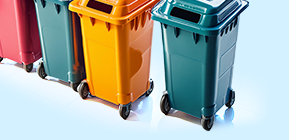
Ease of recycling
Packaging made of monomaterials is much easier to recycle compared to multi-material packaging. Monomaterials do not require the separation of different layers of materials, which simplifies sorting and recycling processes, increasing efficiency and reducing waste processing costs.

Reducing environmental pollution
Facilitating the recycling of monomaterials leads to less waste going to landfills or incinerators. This helps reduce soil, water and air pollution, and reduces greenhouse gas emissions that are often associated with packaging waste disposal.
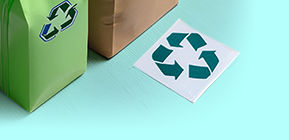
Increasing the value of secondary raw materials
Packaging made from monomaterials has greater value as a secondary raw material because it is cleaner and easier to reprocess into high-quality products. This, in turn, stimulates the growth of the market for secondary raw materials and supports a closed-loop economy in which materials are reused many times.

Reducing consumption of natural resources
More efficient recycling of monomaterials leads to less need for new raw materials, such as oil, from which many plastics are produced. Reducing the exploitation of natural resources helps protect the environment and reduces the industry's impact on ecosystems.

Compliance with environmental regulations and standards
Many countries are tightening regulations on waste management and recycling. Packaging made of monomaterials can meet these requirements because it is easier to recycle without separating layers. Adherence to standards can provide a competitive advantage. Monomaterials are part of the trend of sustainable practices in the packaging industry, responding to increasing consumer demands and regulations.

Lower emissions
The production and recycling of mono materials generate less pollution compared to more complex multilayer materials, which translates into a minimized carbon footprint. This contributes to improved air quality and reduced water pollution.
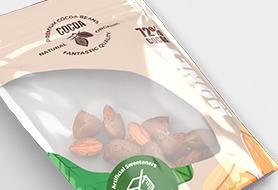
Mono-material PE for recycling
MDO PE/PE
Packaging made entirely of PE - polyethylene; MDO PE/PE has many benefits and properties that make it popular for a variety of applications. MDO stands for “Machine Direction Oriented” - it means machine orientation of the film, which facilitates technological processes such as printing and lamination.

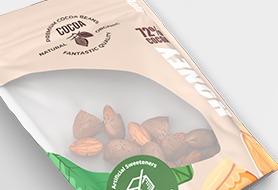
PP mono-material for recycling
BOPP/BOPP
Laminates made of BOPP (biaxially oriented polypropylene film) have many properties that make them a popular choice in the packaging industry.

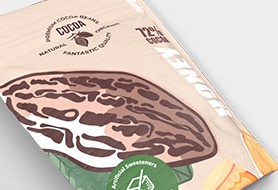
Sealable paper
The paper used in the production of flexible packaging is characterized by excellent sealing ability, which ensures a solid and tight closure of packages. Its properties allow you to create durable and aesthetic packaging, which effectively protects the contents from damage and external influences.

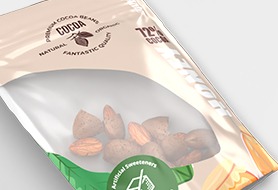
Standard multi-material
PP/PET/PE
PP/PET/EVOH/PE structured laminate is a versatile material that is very popular for packaging a variety of products. Thanks to its EVOH content, the laminate effectively protects the contents from gases and aromas, ensuring long-term freshness and excellent quality.

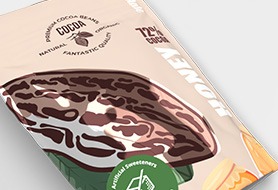
Metallized multi-material
PP/PET MET/PE
PP/PETmet/PE structured laminate is distinguished by its exceptional tear and puncture resistance. In addition, it is resistant to moisture and does not absorb water or grease, which ensures its durability and reliability when storing products in various conditions.

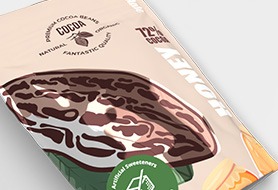
Metallized PP for recycling
BOPP/BOPPmet
BOPP/BOPPmet laminate material offers a number of important properties that make it an ideal choice for flexible packaging. Due to its structure and properties, BOPP/BOPPmet laminate provides excellent barrier properties and strength.